What dart flight shapes exist and what do they do?
05/01/2026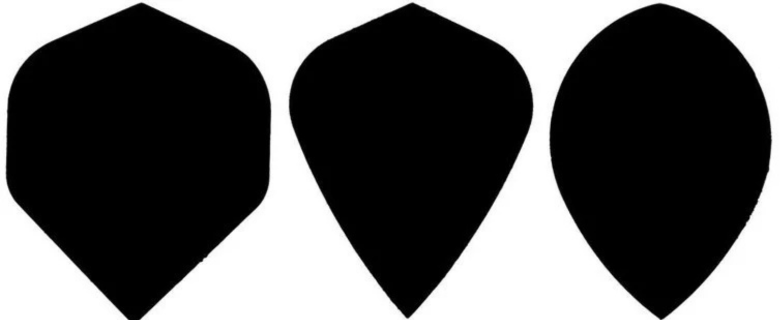

Short answer: The four basic shapes are Standard, Kite, Pear and Slim. The Standard flight has the largest surface area and therefore the most stability, at the cost of a slightly slower throw. Kite, Pear and Slim have less surface and retain more speed, with each step losing a little stability. Alongside these four, there's also the No. 6, which looks like the Standard but is slightly smaller.
Anyone who gets into darts quickly notices there are many different flight shapes. The shape and size of a flight determine how stable your dart flies and how much speed it retains. A larger surface area catches more air and gives more stability; a smaller surface area lets the dart fly faster.
Below we cover the four basic shapes and the No. 6, with the effect each has on your throw.
Overview: the five most important flight shapes
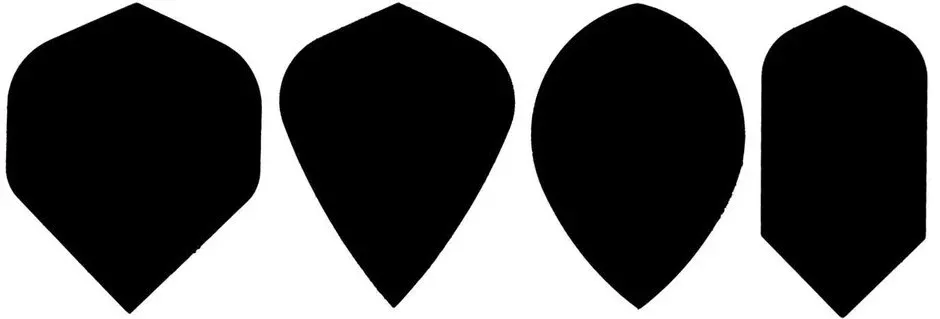
The four most used shapes are Standard, Kite, Pear and Slim. The No. 6 is often considered a fifth standard shape: it looks like the Standard but is slightly smaller. Most other dart flights on the market are variations on these five.
Shape | Stability | Speed | Best for |
High | Slower | Beginners and players with a hard throw | |
High (slightly less than Standard) | Slightly faster than Standard | Players who want a bit less surface area | |
High (small loss vs. Standard) | Retains speed | Lighter darts, fast throw | |
Lower than Kite | Higher than Kite | Light darts, fast throw | |
Good (length adds stability) | Higher due to less weight | Players wanting balance between stability and speed |
When do you choose a Standard flight?
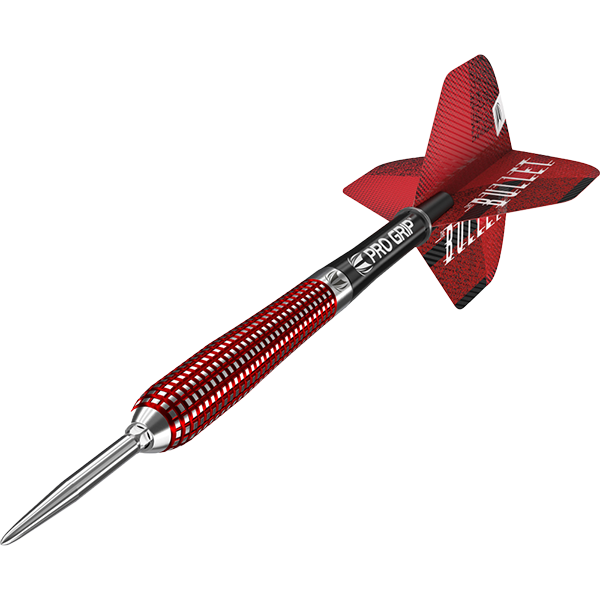
The Standard flight is the logical baseline for most dart players. The shape resembles the back of an arrow on a bow and arrow, and that's exactly its function: keeping the dart straight and stable in flight.
The large surface area provides plenty of stability. That works for beginners still developing a consistent throw, as well as for players with a hard throw who want to slow the dart down. The downside is that the surface area automatically makes the throw a little slower.
How does a No. 6 flight differ from the Standard?
The No. 6 flight looks essentially the same as the Standard, but is slightly smaller. That makes it a light variant on the Standard: nearly the same stability, with a bit less surface. A solid choice for players who like how the Standard flies but want a fraction less surface area.
When do you choose a Kite flight?
The top half of the Kite is identical to the Standard. Below that, the shape tapers towards the end with rounded corners. The rear keeps about the same surface area, while the lower half has noticeably less.
The result: a small loss in stability, but the dart retains a lot of speed in flight. That makes the Kite suitable for players with a very fast throw who want to keep that speed, and for players who throw a little less hard. With a lighter dart the Kite is also a smart choice: lighter darts need less stability to fly straight, so the balance between stability and speed works out well.
When do you choose a Pear flight?
The Pear, named after the pear shape, resembles the Kite. Where the Kite is a rounder version of the Standard, the Pear is an even rounder version of the Kite. The surface area is therefore smaller.
That means slightly less stability than the Kite, but the dart retains even more speed. Not practical with heavier darts: those need more stability to fly cleanly. With lighter darts and a fast throw, the Pear works well.
When do you choose a Slim flight?
The Slim flight is a narrow version of the Standard: same shape, but with the outer edges trimmed off. The length provides solid stability, while the shortened sides reduce weight and therefore add a little speed in flight.
What if you don't know which shape suits you?
Beyond the five above there are countless variations. With the basics in hand, you can usually deduce the effect of other shapes: more surface means more stability, less surface means more speed.
If you want to test for yourself, you can buy a test kit with the most common shapes. That way you can feel in practice what works. If you want something unique, you can also choose to personalise dart flights.
Which flight should you choose?
Start with a Standard or No. 6 if you want plenty of stability. Move to a Kite or Slim if you want the dart to fly a little faster without losing much stability. Choose a Pear if you have a fast throw or play with lighter darts. Still have questions? Our customer service is happy to help. Browse the full range of dart flights to find the right shape for your throw.
FAQ about dart flights and flight shapes
related blogs
Best beginner darts in 2026
How do I choose the right dart shafts?
Which dartboard should I buy?